Overview and Forecast of the Real Estate Market in Bulgaria’s Coastal Regions and Major Cities (2024–2025)
Greetings to all visitors of Bgadres.com!
We delayed writing this overview, waiting for specific developments that were expected to directly impact the real estate market in Bulgaria—particularly along the southern coast.
Since the beginning of 2024, there have been no unexpected shifts in the real estate market. Property prices have risen steadily, keeping pace with broader inflationary trends. While interest in purchasing property remained stable, the actual pace of buying and selling slowed down noticeably. Many prospective buyers questioned whether current asking prices truly reflected fair market value. Conversely, factors such as the anticipation of Bulgaria’s full accession to the Schengen Area and the Eurozone fueled interest, with transactions continuing at solid price points. Now, in mid-2025, we can clearly assess how these factors have influenced market pricing. It turns out that Bulgaria’s full entry into the Schengen Area had virtually no impact on market prices. This may be due to a fundamental shift in the buyer demographic over the last few years: whereas, prior to 2020, most buyers were from outside the EU, by 2024, the primary buyers were citizens of the European Union, alongside a smaller percentage of clients from Asia and the Americas. It is also worth noting the role of Israeli citizens, who have consistently been active buyers in Bulgaria. For all these groups, full Schengen accession was essentially inconsequential and had no bearing on their intentions to purchase property in Bulgaria.
A more significant influence on pricing came from the definitive confirmation of Bulgaria’s upcoming entry into the Eurozone. The anticipation of adopting the euro has, from an early stage, influenced price increases—particularly for goods related to construction and home furnishings. All of this has had, and continues to have, a direct impact on rising prices.
Regarding coastal real estate in 2024–2025, a clear distinction can now be made based on the year a complex or house was built. Prices for "resale" (secondary market) properties have not risen as sharply as those for new developments. Resale properties commanded higher prices only when they featured high-quality renovations, updated appliances, and furnishings. It is safe to say that while prices for secondary-market housing saw more moderate growth, prices for new residential developments—whether in cities or in complexes with amenities—surged significantly. The price gap between properties of similar size and location can reach as much as 100% (give or take). Older housing stock is no longer a sound investment; the investment potential is now limited exclusively to new developments, specifically those in the early stages of construction.
As always, we have prepared a statistical overview of real estate sales from 2023 through 2024, just for you. Real estate sales statistics for coastal areas and major cities in Bulgaria:
In the city of Burgas, a total of 8,704 real estate transactions took place throughout 2024—an increase of 1,502 transactions compared to 2023, representing a growth of 20.86% ↑
City of Varna: 14,937 properties were sold in 2024, an increase of 815 transactions over 2023, representing a growth of 5.77% ↑
City of Plovdiv: 16,033 properties were sold in 2024, an increase of 166 transactions over 2023, representing a growth of 1.05% ↑
City of Sofia: 35,259 properties were sold in 2024, an increase of 3,187 transactions over 2023, representing a growth of 9.94% ↑
City of Nesebar (including Ravda, Sunny Beach, Kosharitsa, Sveti Vlas, and Elenite): 8,698 properties were sold in 2024, an increase of 339 transactions over 2023, representing a growth of 4.06% ↑


 56 900 € Sveti Vlas
 106 264 € Sunny Beach
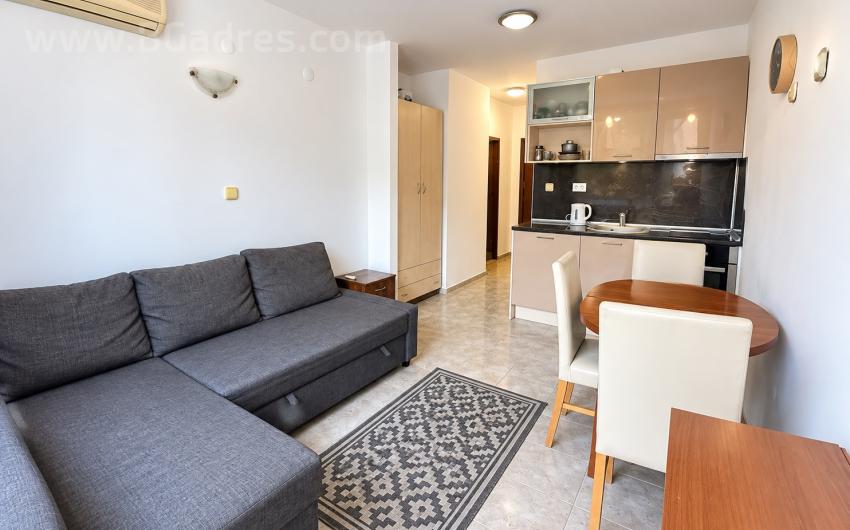 45 000 € Sveti Vlas
 220 000 € Obzor
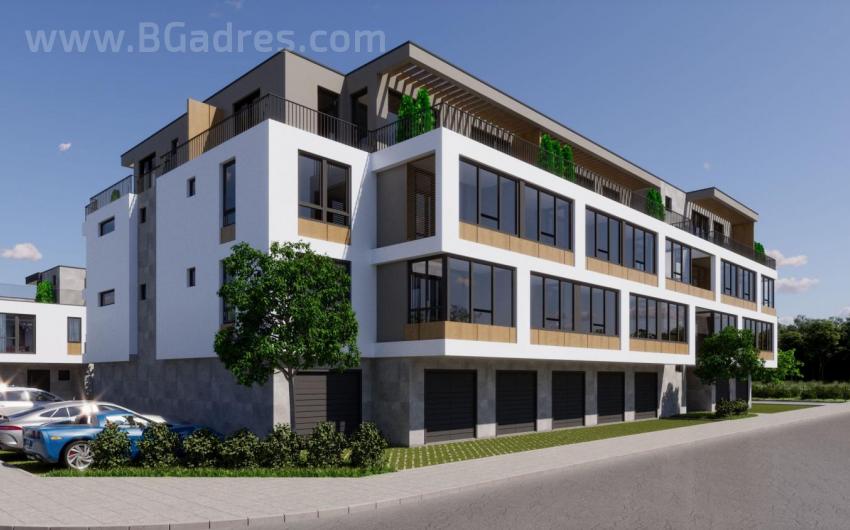 88 017 € Sarafovo, Burgas
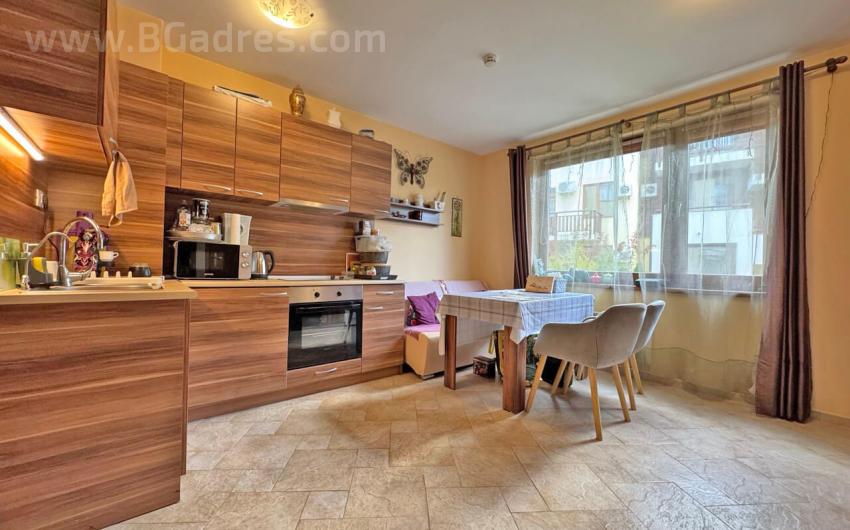 91 000 € Sveti Vlas
 53 000 € Sunny Beach
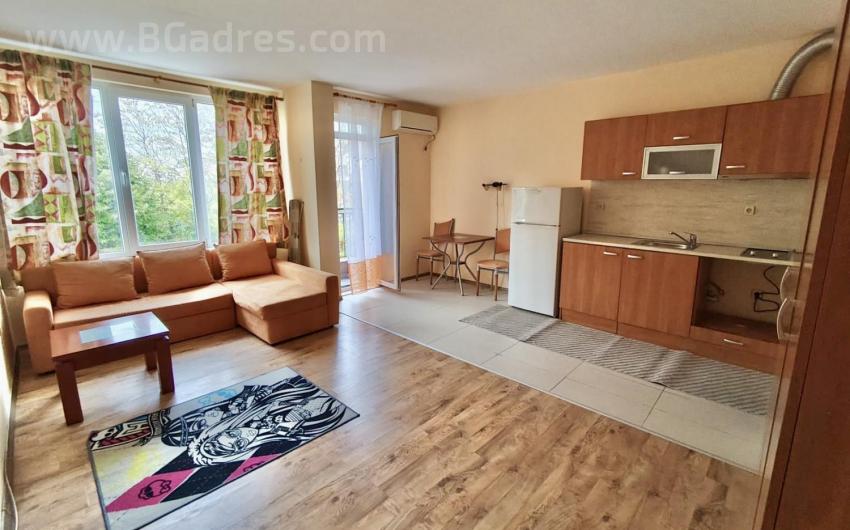 58 000 € Nessebar


